
Introduction
Rajasthan is a land of vibrant colors, royal traditions, and deep-rooted cultural values. Its clothing and accessories are not just forms of dress but symbols of identity and pride. Among these, the Rajasthani safa occupies a unique position. Traditionally worn by men, it is more than a head covering—it reflects honor, social status, and regional heritage. From royal courts to village ceremonies, this traditional turban has remained a powerful cultural emblem. Even in modern times, the safa of Rajasthan continues to represent the spirit and dignity of Rajasthan.
Meaning and Cultural Symbolism
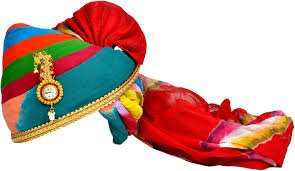
The cultural meaning of the Rajasthani safa goes far beyond fashion. In Rajasthani society, it is a symbol of respect and self-esteem. Different colors and patterns carry specific messages. Bright colors such as red, saffron, and yellow are worn during weddings, festivals, and celebrations, while white or muted shades are often associated with mourning or solemn occasions. Offering a safa to someone is considered one of the highest forms of honor, signifying trust and respect. This custom clearly highlights the history importance of traditional Rajasthani headgear in maintaining social relationships and cultural ethics.
History and Importance of Rajasthani Safa
The history importance of Rajasthani safa can be traced back to ancient times when kings, nobles, and warriors wore it as a mark of bravery and authority. During the Rajput era, the safa became a symbol of pride and loyalty. Different regions of Rajasthan developed their own styles of tying, influenced by geography, climate, and local traditions. Apart from its symbolic value, the Rajasthani safa also served a practical purpose by protecting the wearer from intense heat, dust, and harsh weather conditions. Its continued relevance in rituals and ceremonies shows how deeply history is woven into everyday life.
Craftsmanship and Traditional Materials
Creating a traditional safa requires skill, experience, and cultural understanding. The fabric used is usually cotton or silk, chosen based on climate and occasion. Learning how to make traditional Rajasthani turban involves understanding fabric length, texture, and folding techniques. Traditionally, artisans and elders passed down the knowledge of how to make this iconic turban through generations. Each fold and wrap is done carefully to ensure balance and comfort. This craftsmanship transforms a simple piece of cloth into a meaningful cultural artifact, adding artistic value to the Rajasthani safa.
How to Tie a Rajasthani Safa
Knowing how to tie a Rajasthani safa is considered an art form. The tying process requires patience and practice, as the fabric must be wrapped evenly around the head. Different regions follow different methods, each creating a distinct shape and style. Many people today search for how to tie Rajasthani safa to wear it correctly during weddings and festivals. The technique of how to tie a this iconic turban not only enhances appearance but also reflects regional identity and personal pride.
How to Wear Rajasthani Safa Properly
Understanding how to wear Rajasthani safa correctly is essential to respect its cultural significance. It should be worn with traditional attire such as kurta, sherwani, or angarkha to maintain authenticity. The color and style must match the occasion, whether it is a wedding, religious event, or cultural festival. Learning how to wear this iconic turban properly ensures comfort while preserving its traditional look. Today, workshops and cultural programs often teach how to wear Rajasthani safa, helping younger generations stay connected to their heritage.
Role in Weddings and Celebrations
In Rajasthani weddings, the Rajasthani safa plays a central role. Grooms wear elaborately styled safas that symbolize joy, prosperity, and honor. Family members and guests also wear safas to show unity and celebration. Many people take interest in learning how to tie this iconic turban specifically for wedding ceremonies. The presence of the safa adds a royal charm to celebrations and strengthens the cultural identity of the event. This tradition reflects the enduring history importance ofthis iconic turban in social life.
Modern Relevance and Global Recognition
Despite changing fashion trends, the Rajasthani safa has successfully adapted to modern times. Designers now experiment with fabrics, colors, and prints while preserving traditional elements. Cultural festivals, destination weddings, and tourism have popularized learning how to wear this iconic turban among people from different regions and countries. Tourists visiting Rajasthan often admire its vibrant styles and cultural depth. This global appreciation ensures that the tradition remains alive while reaching a wider audience.
Preservation of Tradition
Preserving the tradition of the Rajasthani safa is essential for maintaining cultural heritage. Community events, cultural programs, and educational initiatives play a vital role in passing down the knowledge of how to make traditional Rajasthani headgear and how to tie a this iconic turban. By encouraging younger generations to learn these practices, society ensures that this cultural symbol continues to thrive. The safa is not just an accessory but a living tradition that connects past, present, and future.
Conclusion
The Rajasthani safa is a powerful representation of Rajasthan’s history, values, and identity. From its symbolic meanings and royal origins to the detailed techniques of how to make Rajasthani safa, how to tie Rajasthani safa, and how to wear Rajasthani safa, this traditional headgear reflects dignity and pride. Its continued presence in modern life proves that cultural traditions can evolve without losing their essence. By honoring and preserving the safa, we celebrate the rich and timeless heritage of Rajasthan.